
О журнале
Концепция журнала
- Вычислительная математика и численные методы
- Математическое программирование
- Распознавание образов
- Вычислительные методы линейной алгебры
- Численное решение дифференциальных и интегральных уравнений
- Исследование операций
- Теория игр
- Теория аппроксимации
- Информатика
- Искусственный интеллект и машинное обучение
- Системное программирование
- Перспективные многопроцессорные архитектуры
- Облачные вычисления
- Технология программирования
- Машинная графика
- Интернет-технологии
- Системы электронного обучения
- Технологии обработки баз данных и знаний
- Интеллектуальный анализ данных
- Геоинформатика
Процесс рецензирования
Журнал применяет одностороннее слепое рецензирование, и рассмотрение поданной статьи проходит в два этапа:
1 этап: формальная проверка редактором;
2 этап: анализ содержания статьи внешними экспертами или/и членами редакционного совета.
В рамках формальной проверки осуществляется контроль соответствия рукописи формальным требованиям журнала к содержанию и оформлению статей по следующим критериям:
- оригинальность текста статьи (проверка в системе «Антиплагиат»),
- оригинальность результатов (основные результаты статьи ранее не публиковались авторами в научных журналах),
- соответствие объема статьи рекомендациям, установленным в требованиях к содержанию,
- соответствие кодов УДК содержанию статьи,
- адекватность перевода названия, аннотации и списка ключевых слов статьи на английский язык,
- отсутствие грамматических ошибок,
- соблюдение требований к оформлению статей.
В случае обнаружения грубых или массовых нарушений требований к содержанию и оформлению статья отклоняется по формальному признаку, и редакция направляет авторам статьи мотивированный отказ. В этом случае авторы имеют право однократно направить в редакцию переработанный текст статьи.
Для анализа содержания статьи редколлегия назначает рецензентов из числа внешних экспертов или/и членов редакционного совета. Все рецензенты являются признанными специалистами по тематике рецензируемых материалов и имеют в течение последних 3 лет публикации по тематике рецензируемой статьи. Рецензии хранятся в издательстве и в редакции издания в течение 5 лет. Редакция направляет копии рецензий авторам статьи и (при поступлении соответствующего запроса) в Министерство образования и науки Российской Федерации.
Рецензент оценивает статью по следующим критериям:
- соответствие тематике журнала,
- научная значимость,
- практическая значимость,
- степень достоверности полученных результатов,
- качество изложения материала.
На основе рекомендаций рецензентов редколлегия присваивает статье один из следующих статусов и направляет авторам тексты рецензий:
- принять к публикации,
- публикация возможна после доработки,
- отклонить.
В случае принятия статьи к публикации авторам необходимо подготовить и направить в редакцию финальную версию статьи (см. правила для авторов).
Если статье присвоен статус «публикация возможна после доработки», авторам необходимо направить в редакцию переработанный текст статьи, сопроводив его ответом на замечания рецензентов (см. шаблон ответа на замечания рецензентов в формате MS Word). В этом случае статья вновь проходит оба этапа рецензирования. Авторы могут отказаться следовать рекомендациям рецензентов и отразить это в своем ответе. Если рецензент не согласен с мотивировками авторов, редакция может принять решение об отклонении статьи.
В случае присвоения статье статуса «отклонить» редакция не будет принимать к рассмотрению любые будущие версии данной статьи.
Политика открытого доступа
Статьи этого журнала непосредственно доступны всем желающим, исходя из принципа, что свободный открытый доступ к результатам исследований способствует увеличению всеобщего знания.
Сведения об издании
Периодичность: 4 выпуска в год.
Подписка: подписной индекс 10244 в каталоге "Почта России".
Редакционная коллегия
- Соколинский Л.Б., д.ф.-м.н., профессор (гл. редактор)
- Цымблер М.Л., д.ф.-м.н., доцент (зам. гл. редактора)
- Краева Я.А., к.ф.-м.н. (отв. секретарь)
- Гоглачев А.И. (техн. редактор)
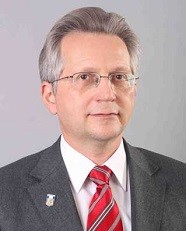 |
Л.Б. Соколинский, Южно-Уральский государственный университет, Челябинск, Россия Scopus ID: 6506818504 |
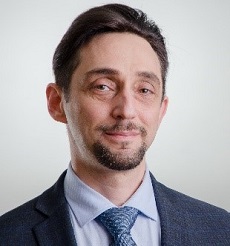 |
М.Л. Цымблер, Южно-Уральский государственный университет, Челябинск, Россия Scopus ID: 55841425200 |
Редакционный совет
- Абдуллаев С.М., д.г.н., профессор, Южно-Уральский государственный университет (Челябинск)
- Андреяк А., PhD, Гейдельбергский университет (Германия)
- Бердышев В.И., д.ф.-м.н., акад. РАН, Институт математики и механики УрО РАН (Екатеринбург)
- Донгарра Дж., PhD, Университет Теннеси (США)
- Зыкин С.В., д.т.н., профессор, Институт математики СО РАН (Омск)
- Куликов И.М., д.ф.-м.н., Институт вычислительной математики и математической геофизики СО РАН (Новосибирск)
- Макаровских Т.А., д.ф.-м.н., доцент, Южно-Уральский государственный университет (Челябинск)
- Маллманн Д., Исследовательский центр г. Юлиха (Германия)
- Продан Р., PhD, профессор, Альпийско-Адриатический университет Клагенфурта (Австрия)
- Радченко Г.И., к.ф.-м.н., доцент, Silicon Austria Labs
(Австрия) - Ушаков В.Н., д.ф.-м.н., член-корр. РАН, Институт математики и механики УрО РАН (Екатеринбург)
- Хачай М.Ю., д.ф.-м.н., член-корр. РАН, Институт математики и механики УрО РАН (Екатеринбург)
- Черных А., PhD, профессор, Центр научных исследований и высшего образования г. Энсенада (Мексика)
- Шумяцкий П., PhD, Университет г. Бразилиа (Бразилия)
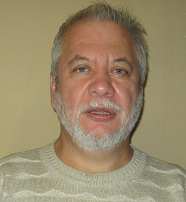 |
С.М. Абдуллаев, д.г.н., профессор, Южно-Уральский государственный университет, Челябинск (Россия) Scopus ID: 7006164114 |
 |
А. Андреяк, PhD, Гейдельбергский университет, Гейдельберг (Германия) Scopus ID: 6602719342 |
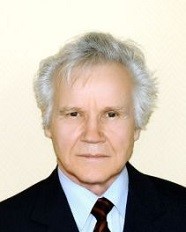 |
В.И. Бердышев, д.ф.-м.н., акад. РАН, Институт математики и механики УрО РАН, Екатеринбург (Россия) Scopus ID: 55980665600 |
 |
Дж. Донгарра, PhD, Университет Теннеси, Ноксвилл (США) Scopus ID: 7102112094 |
 |
С.В. Зыкин, д.т.н., профессор, Институт математики СО РАН, Омск (Россия) Scopus ID: 6506015953 |
 |
И.М. Куликов, д.ф.-м.н., Институт вычислительной математики и математической геофизики СО РАН (Новосибирск) Scopus ID: 35107368800 |
 |
Т.А. Макаровских, д.ф.-м.н., доцент, Южно-Уральский государственный университет, Челябинск (Россия) Scopus ID: 16022945800 |
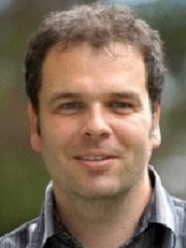 |
Д. Маллманн, Исследовательский центр г. Юлиха, Юлих (Германия) Scopus ID: 15769624900 |
 |
Р. Продан, PhD, профессор, Альпийско-Адриатический университет Клагенфурта (Австрия)
Scopus ID: 8858675500 |
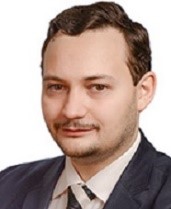 |
Г.И. Радченко, Silicon Austria Labs, Австрия Scopus ID: 55695192800 |
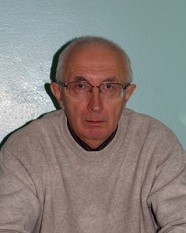 |
В.Н. Ушаков, д.ф.-м.н., член-корр. РАН, Институт математики и механики УрО РАН, Екатеринбург (Россия) Scopus ID: 7102376391 |
 |
М.Ю. Хачай, д.ф.-м.н., член-корр. РАН, Институт математики и механики УрО РАН, Екатеринбург (Россия) Scopus ID: 6507117765 ORCID: 0000-0003-3555-0080 |
 |
А. Черных, PhD, профессор, Центр научных исследований и высшего образования г. Энсенада (Мексика) Scopus ID: 6506067984 ORCID: 0000-0001-5029-5212 |
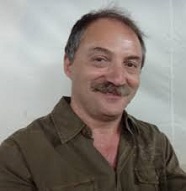 |
П. Шумяцкий, PhD, Университет г. Бразилиа, Бразилиа (Бразилия) Scopus ID: 7004062687 |
Редакционная этика журнала
- Общие положения
- Этические требования к авторам
- Этические требования к рецензентам
- Этические требования к редакции
Общие положения
- Редакционная политика журнала основывается на традиционных этических принципах подготовки и публикации российской научной периодики и строится с учетом этических норм, разработанных Комитетом по публикационной этике (Committee on Publication Ethics, COPE) и закрепленных в Ключевых практиках для редакторов, издателей и учредителей научных журналов (включая Кодексы поведения и лучшие практики для редактора, см. текст в формате PDF, и издателя журнала, см. текст в формате PDF).
- Южно-Уральский государственный университет как учредитель и издатель журнала берет на себя обязательства по контролю процесса публикации статей и признает свои этические и иные обязательства, связанные с указанным процессом.
Этические требования к авторам
- Автор должен представить в редакцию статью, не находящуюся на рассмотрении и не публиковавшуюся ранее в других журналах и/или трудах конференций (частично или полностью). Если статья направлена на расширение ранее проведенного исследования, автор должен обеспечить прозрачность повторного использования материала, чтобы избежать самоплагиата. Искусственное разбиение атомарного исследования на небольшие части для увеличения количества публикуемых статей неэтично и неприемлемо.
- Автор должен представить в редакцию статью, содержащую результаты оригинального исследования. В случае использования в статье фрагментов (цитат), идей и результатов, изложенных ранее в научных работах других авторов, такое использование во избежание плагиата должно быть снабжено ссылкой на первоисточник, включаемый в список литературы представляемой статьи. Редакция использует специализированное программное обеспечение для проверки текста статьи на плагиат и самоплагиат (система Антиплагиат и др.). Плагиат и самоплагиат неэтичны и неприемлемы.
- Автор, представляющий статью в журнал, должен указать всех соавторов статьи и гарантировать, что указанные лица видели и одобрили финальную версию статьи и согласны с ее представлением в журнал. В качестве соавторов статьи должны быть указаны только лица, внесшие значительный вклад в получение результатов исследования.
- Автор должен раскрыть все конфликты интересов, которые могут повлиять на оценку и интерпретацию статьи, а также все источники финансовой поддержки исследования, результаты которого описаны в статье (гранты, государственные задания и др.).
- Автор должен хранить исходные материалы (данные) исследования в течение разумного времени после публикации статьи, и незамедлительно предоставить к ним публичный доступ по запросу редакции для воспроизведения и проверки. Использование материалов (данных), сфабрикованных с целью подтвердить выводы статьи, неэтично и неприемлемо.
- Автор должен, в случае обнаружения им существенной ошибки (неточности) в ранее опубликованной статье, незамедлительно проинформировать об этом редакцию и содействовать ей в исправлении ошибки. Если редакция проинформирована об ошибке третьими лицами, то автор должен незамедлительно устранить ошибку либо аргументированно ее опровергнуть.
Этические требования к рецензентам
- Рецензент должен способствовать принятию объективного редакционного решения и помогать автору улучшить качество статьи. Редколлегия принимает решение о публикации, отклонении или необходимости доработки статьи исключительно на основе результатов рецензирования этой статьи.
- Рецензент должен представить рецензию в сроки, указанные редакцией. Если подготовка рецензии по каким-либо причинам в эти сроки невозможна, рецензент должен заблаговременно уведомить об этом редакцию.
- Рецензент должен соблюдать конфиденциальность при рассмотрении рецензируемой статьи. Обсуждение содержания статьи и ее передача третьим лицам возможны только с разрешения главного редактора.
- Рецензент должен объективно проводить экспертную оценку статьи. Персональная критика автора недопустима. Все выводы рецензента должны быть строго аргументированы и при необходимости содержать ссылки на авторитетные рецензируемые источники.
- Рецензент должен указать работы, которые оказали влияние на результаты исследования, но не были приведены автором статьи (при наличии таковых). Рецензент должен обратить внимание редакции на существенное сходство или совпадение рецензируемой статьи с другой работой, опубликованной ранее, о которой известно рецензенту (при наличии таковой).
- Рецензент не должен использовать материалы неопубликованной статьи в своих собственных исследованиях без письменного согласия автора. Рецензент должен отказаться от рассмотрения рукописи в случае возникновения у него конфликта интересов из-за конкурентных, совместных или иных отношений с автором или организацией, имеющей отношение к рецензируемой статье.
Этические требования к редакции
- Редакция гарантирует принятие решения о публикации представленных статей на основе результатов рецензирования, исходя из политики журнала, и не допускает публикацию статей с признаками клеветы, оскорбления, плагиата или нарушения авторских прав. Окончательное решение о публикации статьи или об отказе в таковой принимается главным редактором журнала.
- Редакция гарантирует объективную оценку представленной статьи независимо от расы, пола, национальности, происхождения, гражданства, рода занятий, места работы и проживания автора, а также от ее/его политических, философских, религиозных и иных взглядов.
- Редакция гарантирует, что материалы отклоненной статьи не будут использоваться в собственных исследованиях членов редколлегии и редакционного совета без письменного согласия автора. Редакция не примет к рассмотрению статью в случае наличия у членов редколлегии и редакционного совета конкурентных отношений с автором или организацией, связанной с результатами исследования, либо иного конфликта интересов. Редакция обязуется требовать от всех участников процесса опубликования статьи раскрытия конфликта интересов.
- Редакция гарантирует оперативное рассмотрение претензии на неэтичное поведение автора статьи (в т.ч. ранее опубликованной) и принятие адекватных мер в отношении таких претензий. В случае подтверждения факта неэтичного поведения редакция вправе отказаться от публикации статьи, прекратить дальнейшее сотрудничество с автором, опубликовать соответствующее опровержение, уведомить организацию автора о данном инциденте, а также принять иные необходимые меры для дальнейшего пресечения неэтичного поведения данного автора.